Your Inbox
Unsubscribing is the first pass. What keeps an inbox quiet afterwards is structure: filters that hold, folders you actually open, and a few habits worth keeping.
Email anxiety: the psychology of a stressful inbox
Email anxiety is real and it runs on a mechanism. Here is the psychology behind a stressful inbox, and calm, practical ways to lower the load.
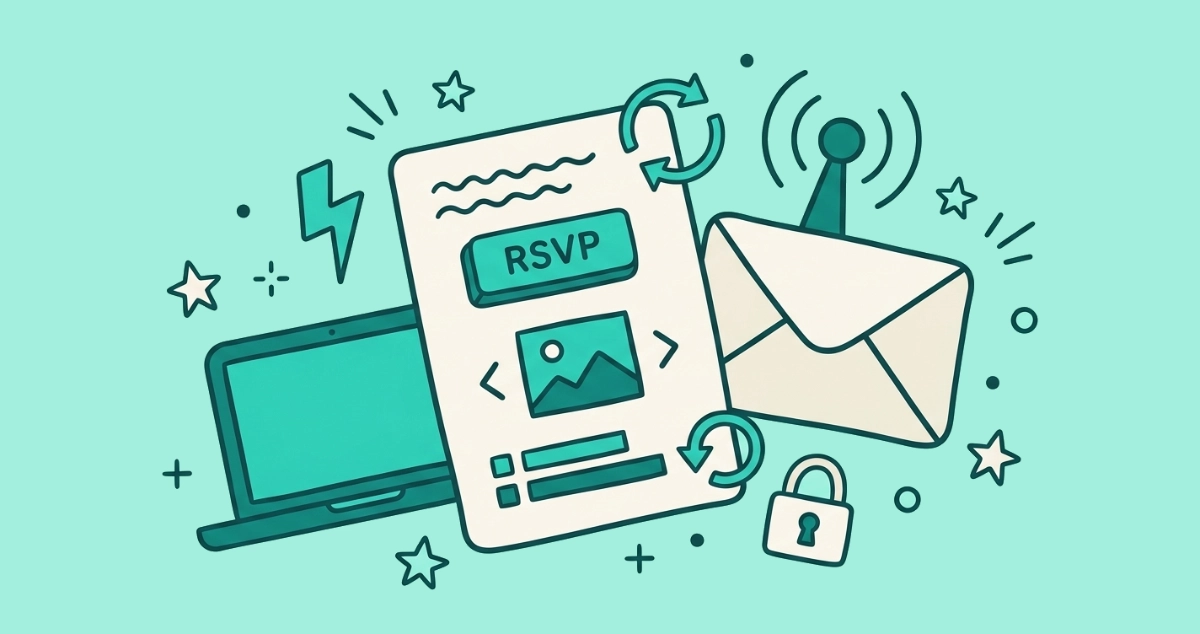
AMP and interactive emails: why some messages have working buttons
Some emails now let you RSVP, fill a form, or browse a carousel without leaving your inbox. Here's how AMP for Email works and who supports it.
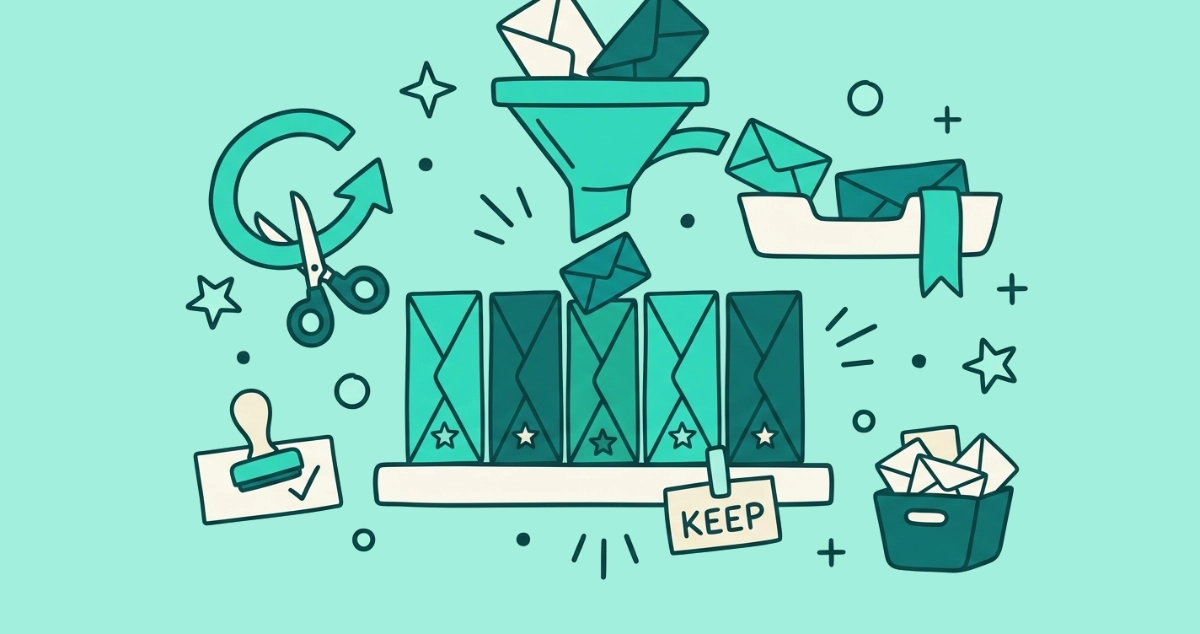
Newsletter minimalism 101: the 5-newsletter rule
Newsletter minimalism keeps a tiny, deliberate set of newsletters and routes the rest away. Here is the 5-newsletter rule and how to decide what earns a slot.
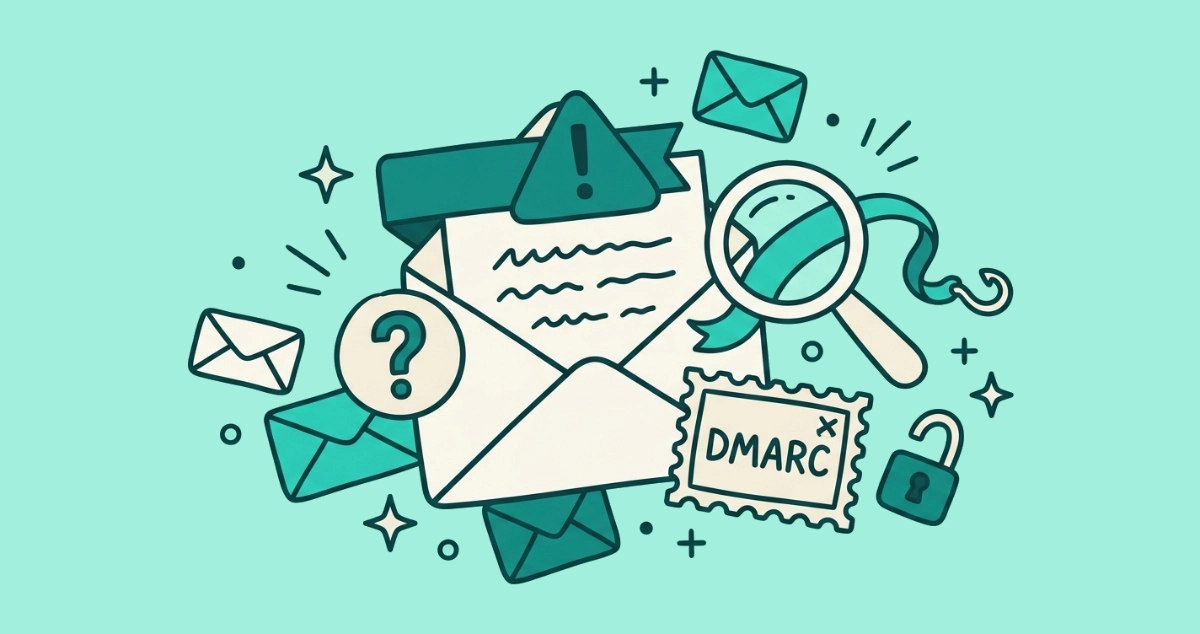
Why Gmail says "this message seems dangerous"
Gmail's red "this message seems dangerous" banner means it scored the mail as likely phishing. Here is what triggers it, what the colors mean, and what to do.
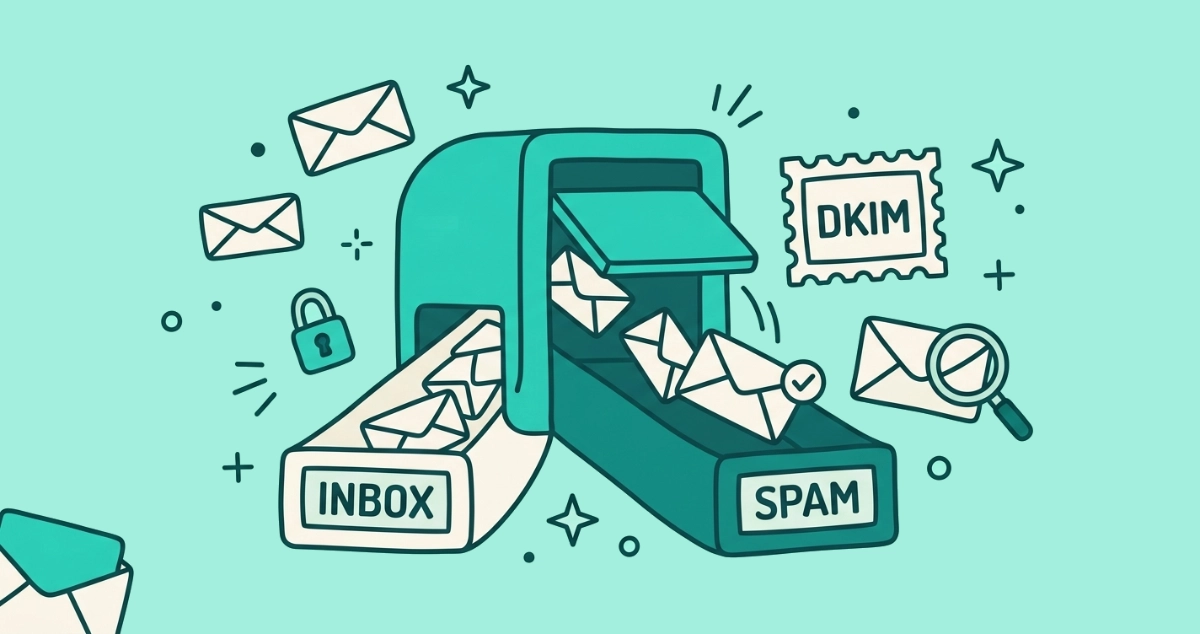
Why your emails go to spam (and why legit mail gets flagged)
Mail goes to spam when a filter scores it as risky. Here is how filters decide, why legit mail gets flagged, and how to rescue a good email.
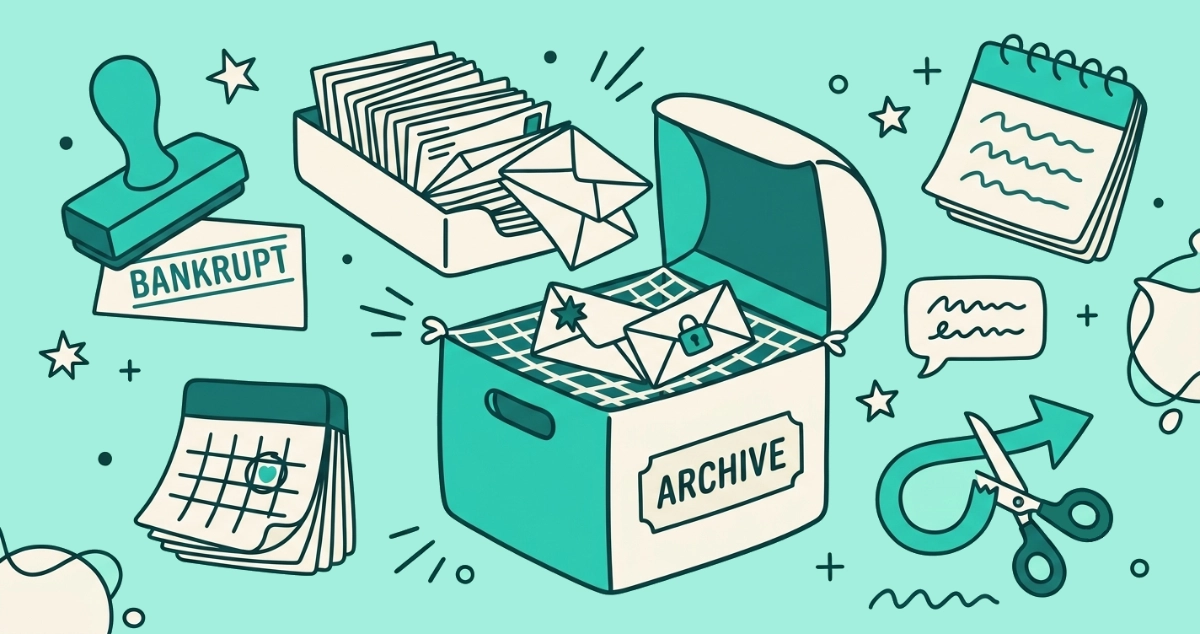
Email bankruptcy: how to declare it without losing important mail
Declaring email bankruptcy resets an overwhelmed inbox in one move. Here is when it is the right call and how to do it without losing important mail.
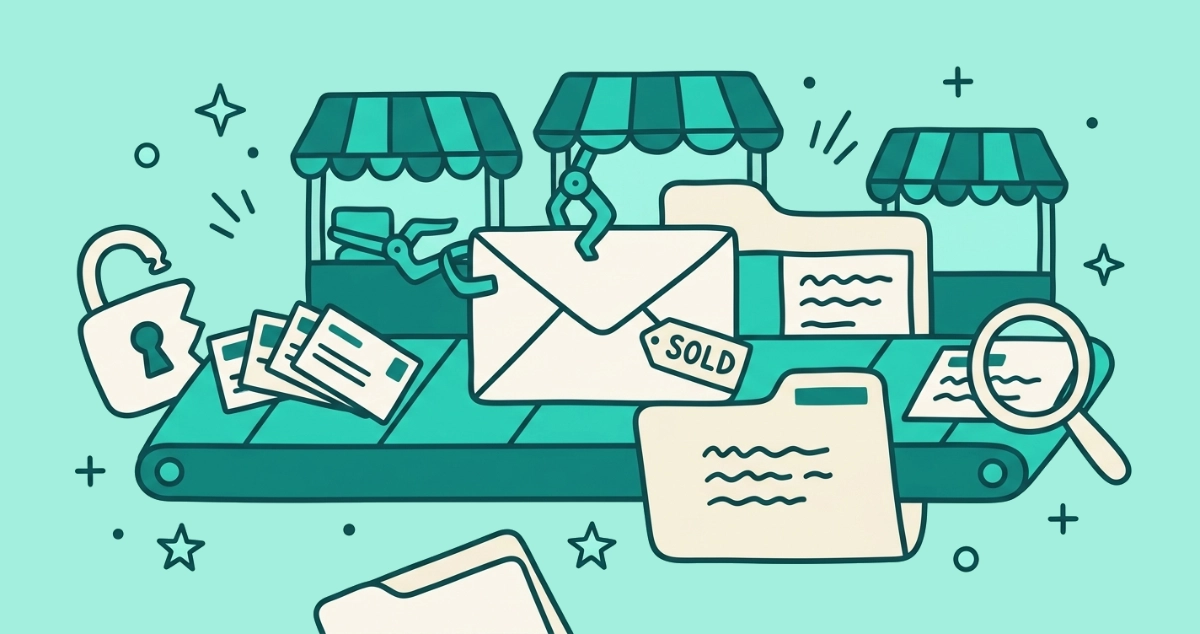
Where your email address goes after a data breach
A leaked email address gets bought many times over, by breach resellers, data brokers, list sellers, and spammers. Here's the journey, and how to check yours.

BIMI: why some senders show a logo or blue check in Gmail
Some Gmail senders show a round logo and a blue checkmark. Here's what BIMI and a Verified Mark Certificate actually prove, and what they don't.
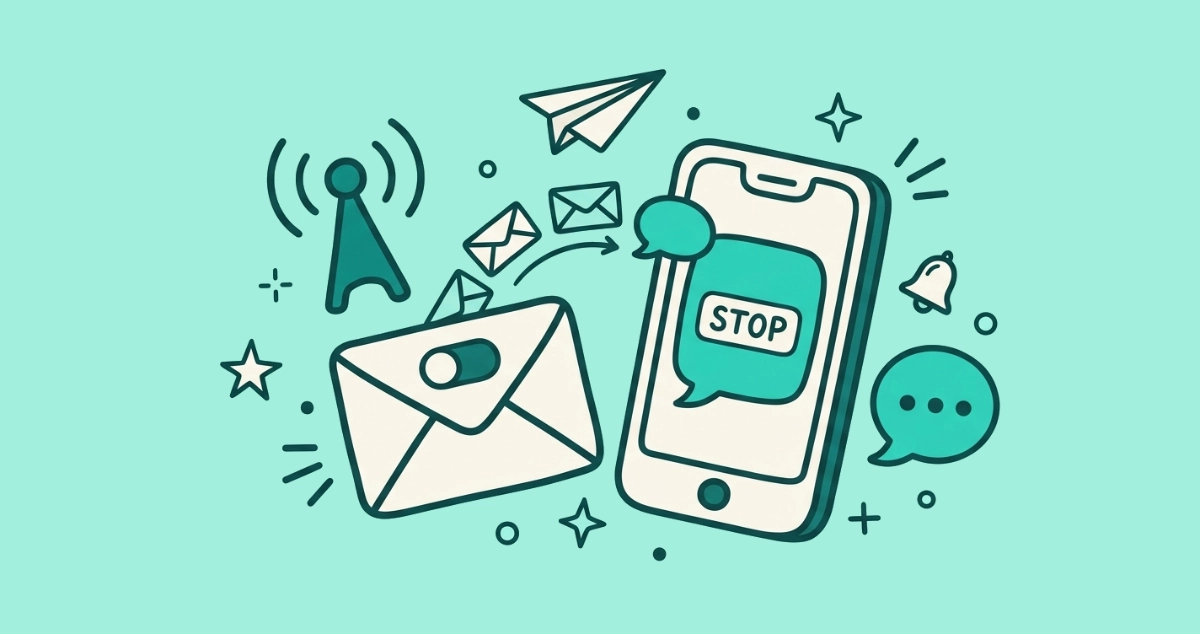
From inbox to DMs: how RCS and messaging are changing marketing
Brands now text, WhatsApp, and RCS-message you, not just email you. Here is what the shift to messaging marketing means, and how to keep control.
Does Inbox Zero actually work? A realistic take
Inbox Zero was never about an empty inbox. Here is what Merlin Mann actually meant, why the literal version fails for most people, and the higher-leverage move most guides skip.
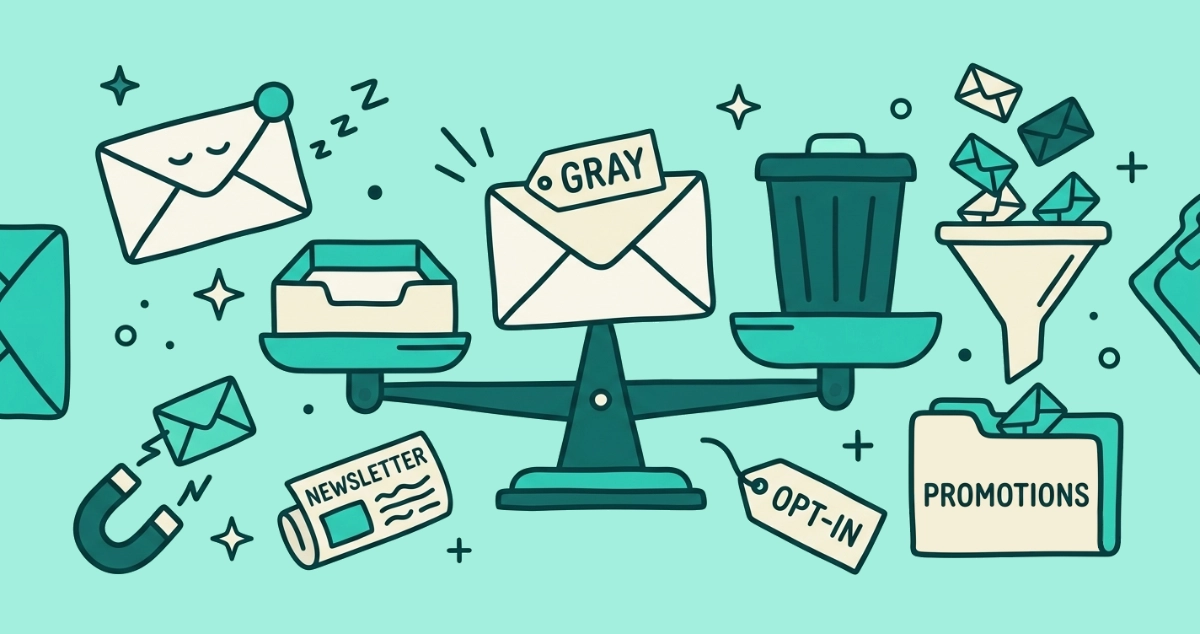
Graymail: the opted-in mail you never read
Graymail is the legitimate bulk mail you signed up for and stopped reading. Here is what it is, how it differs from spam, and how Gmail and Outlook sort it.
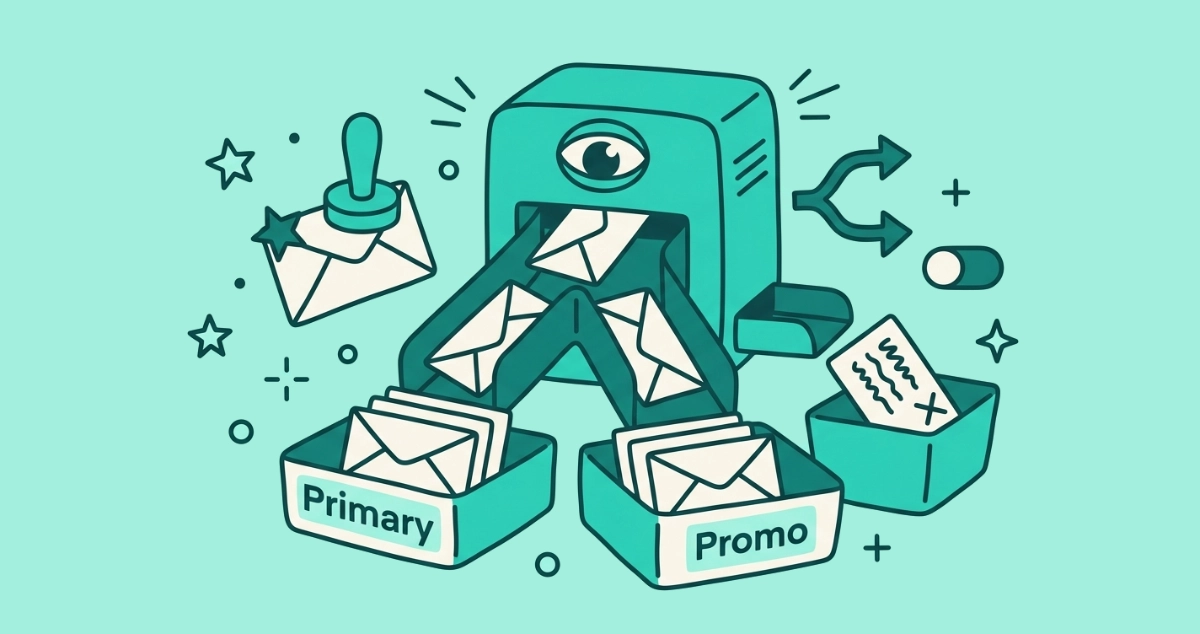
How AI decides what email you see: Gmail's inbox gatekeepers
Gmail's AI sorts every message into a category, an importance level, and a spam verdict before you see it. How it decides, and how to correct it.
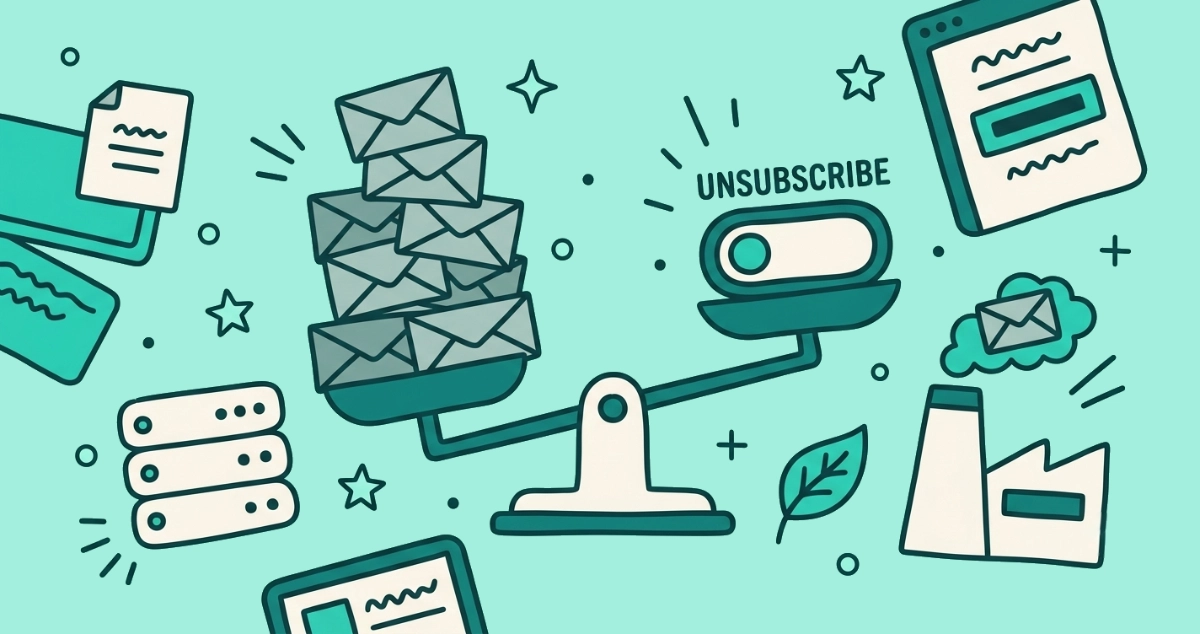
The carbon footprint of your inbox: does deleting emails matter?
Do old emails have a carbon footprint worth deleting? The honest, sourced answer: stored mail is a rounding error, and stopping unwanted sends is the real lever.
The real cost of spam and phishing in 2026
A sourced roundup of what spam and phishing actually cost: $16.6B in 2024 FBI losses, $2.77B in business email compromise, and the time and energy the rest of us pay.
Black Friday email overload: why brands blast you (and how to survive it)
Your inbox floods around Black Friday and Prime Day. Here is how much email volume really jumps, why brands front-load these windows, and how to survive it.
The newsletter boom: why your inbox has more newsletters than ever
Your inbox is full of newsletters you actually signed up for. Here is what drove the newsletter boom, why these are harder to leave than promos, and how to prune them without guilt.
The volume war is over: why smart brands now email you less
Some of your favorite senders got quieter in 2026. Here is why provider rules pushed smart brands to email less, and why the spammy ones still stand out.
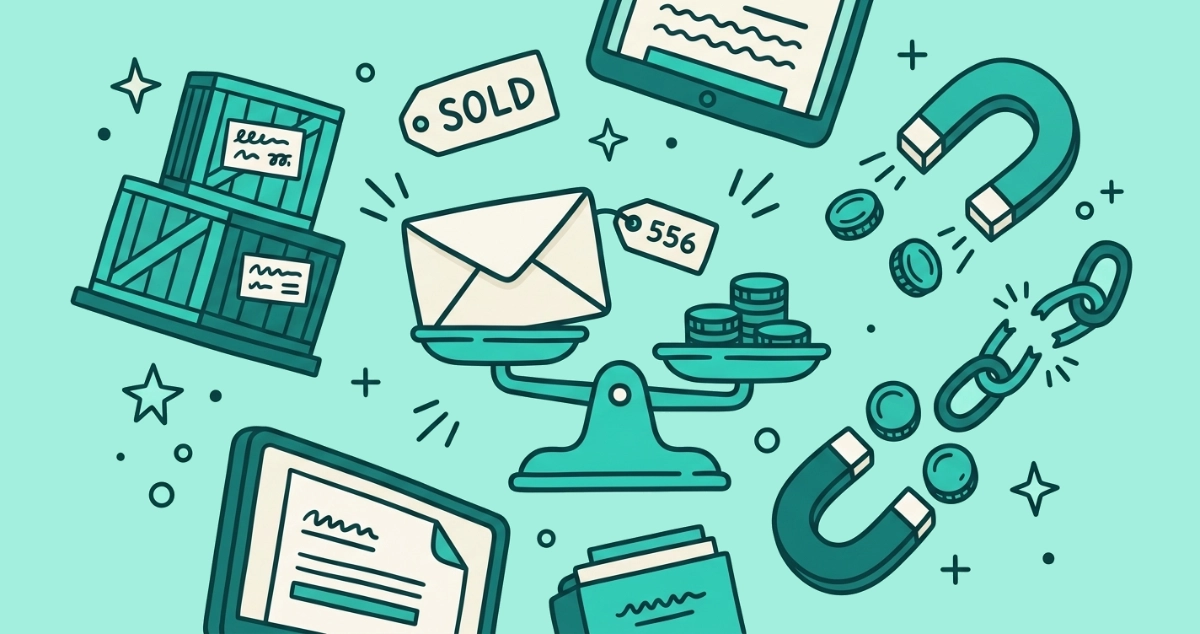
What is your email address actually worth?
Your email address sells for a fraction of a cent in bulk yet earns marketers $36+ per dollar. What a subscriber is really worth, and how to lower yours.
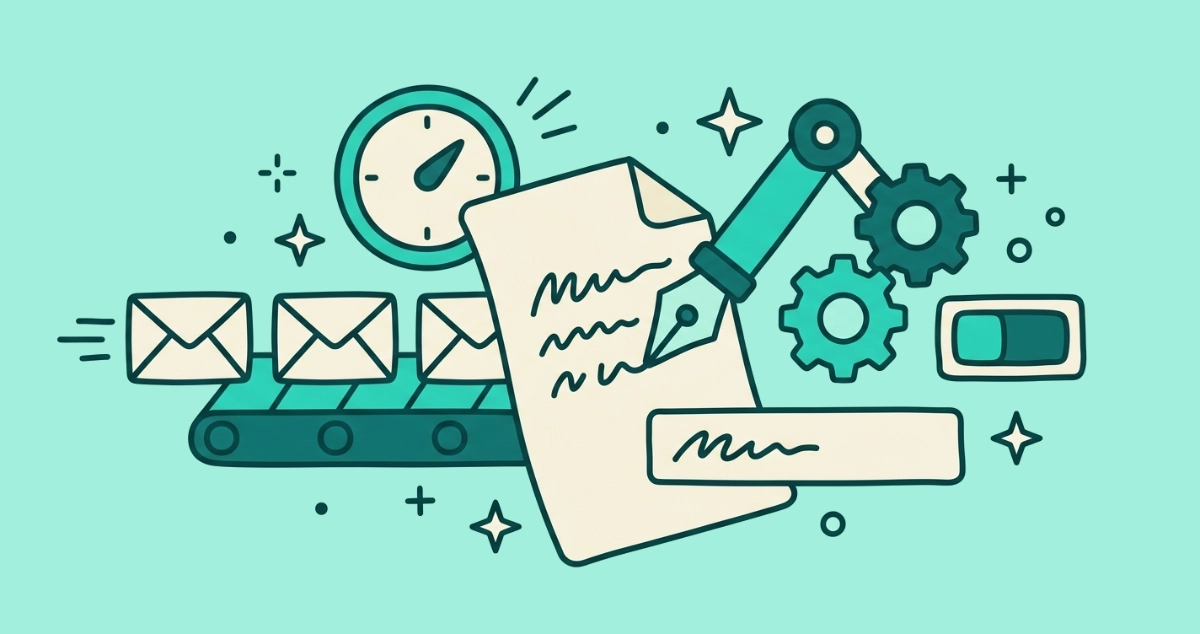
Is AI writing the emails you get? Generative AI and your 2026 inbox
AI now drafts the subject lines, body copy, and send times of the emails you get. What changed in 2026, and why unsubscribing is the counter-move.
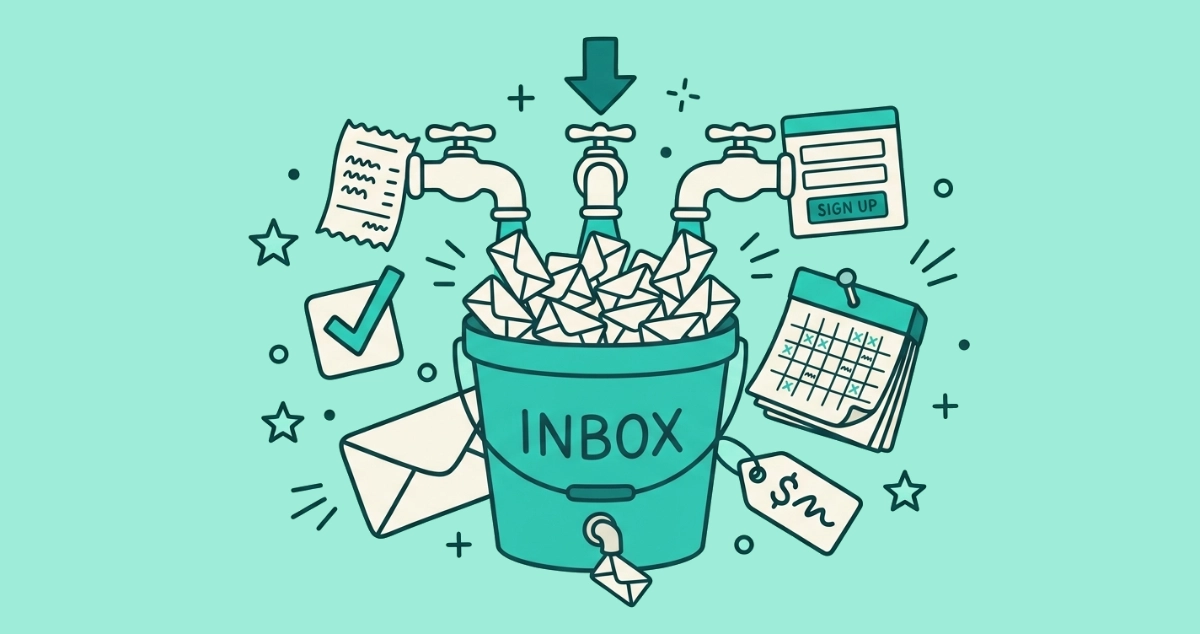
Email subscription fatigue: why your inbox fills back up in 90 days
You cleaned out your inbox and it refilled in three months. Here is why subscription fatigue is a treadmill, where the new senders come from, and how to keep it clear.
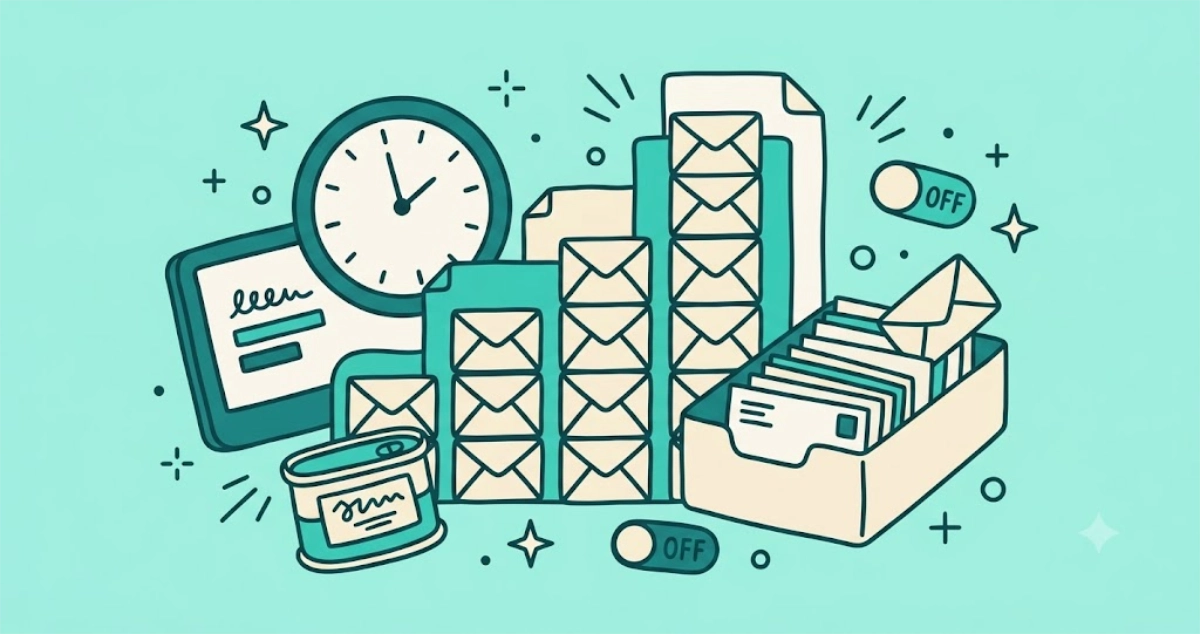
Email overload statistics: a sourced 2026 roundup
How big is inbox overload, really? A roundup of email volume, spam, time-cost, and subscription-fatigue statistics for 2026, every number with a named source.