Privacy & Safety
Every marketing email carries more than a message: tracking pixels, forwarding chains, and a data trail you never agreed to. These posts cover what senders can see, which tools quietly resell it, and how to close the gaps.
Cleanfox alternative that keeps your inbox data yours
Cleanfox is free because it monetizes aggregated data from your inbox. Here's an honest look at a pay-once, in-browser alternative that never reads your email content.
What a forwarded email actually leaks about you
Forward an email and more than the text travels: the quoted thread, everyone's addresses, full headers, and re-firing tracking pixels. Here's what leaks and how to stop it.
What happens if you click a phishing link?
Clicking a phishing link rarely hands over your account by itself. What you do next decides whether it stays that way. Here is the first-response checklist.
The unsubscribe confirmation email scam
An unsolicited 'you've been unsubscribed' email is bait. Here's why the confirmation click is the trap, and what to do instead of clicking it.
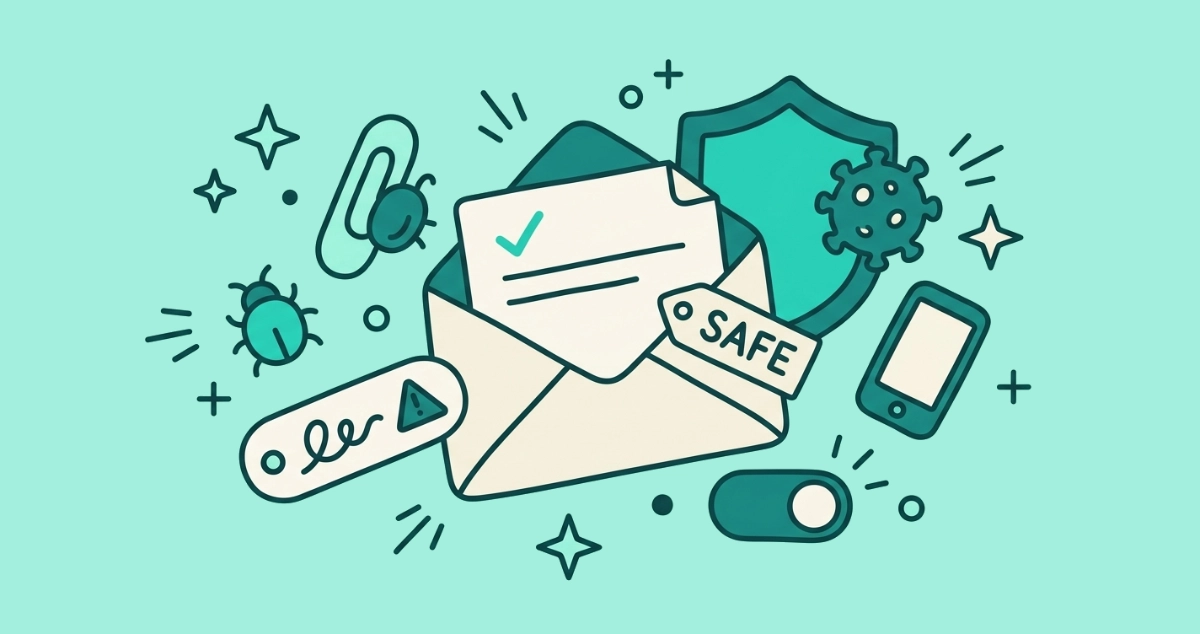
Can opening an email give you a virus?
In an updated mail app, opening an email almost never installs anything. The risk starts when you open an attachment, click a link, or enable macros.
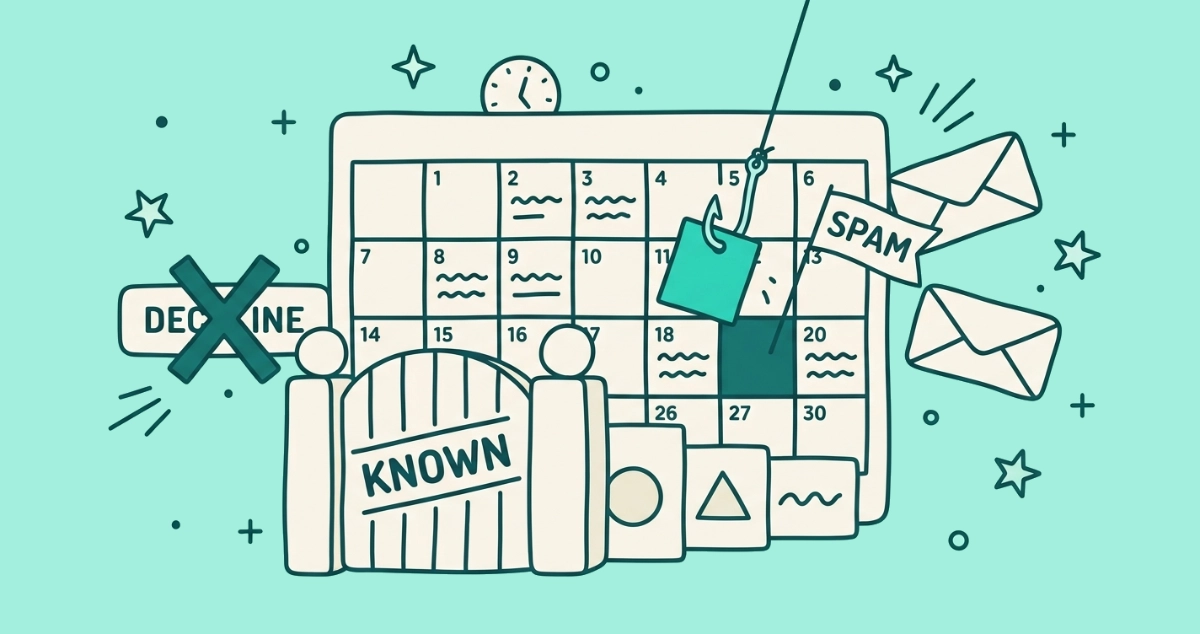
How to stop Google Calendar spam invites
Spam invites auto-add to your Google Calendar, often with phishing links. Set invites to known senders, report the spam, and never tap Decline.
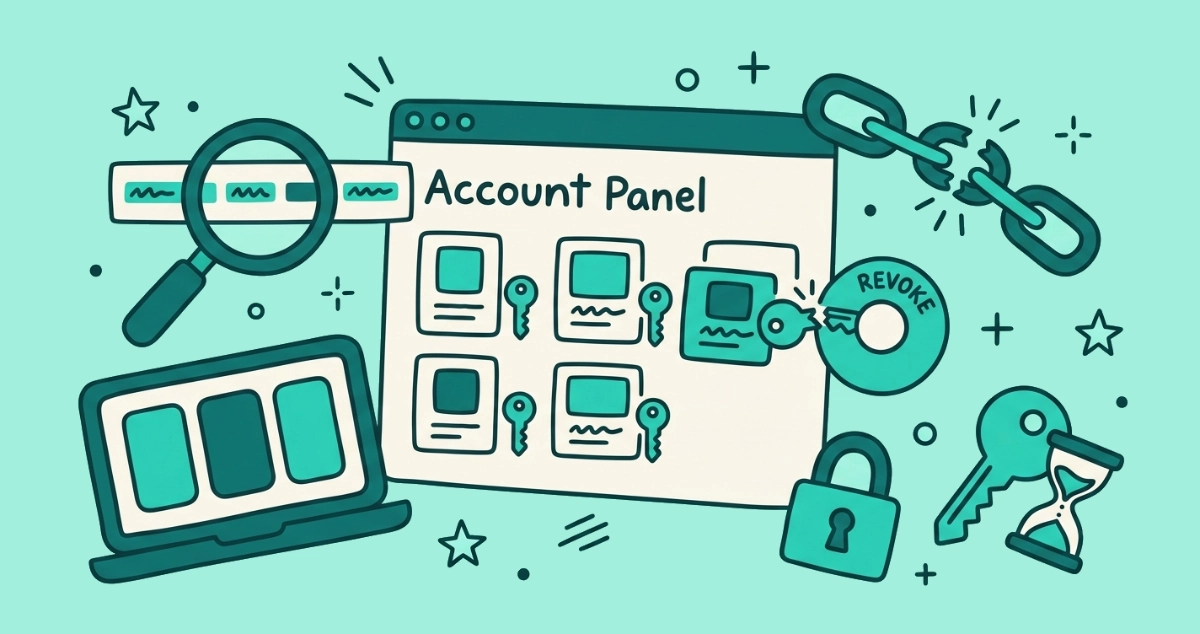
How to revoke third-party app access to your Google account
Review which apps can read your Gmail and revoke their access at myaccount.google.com/connections, plus how to tell read-only from full access.
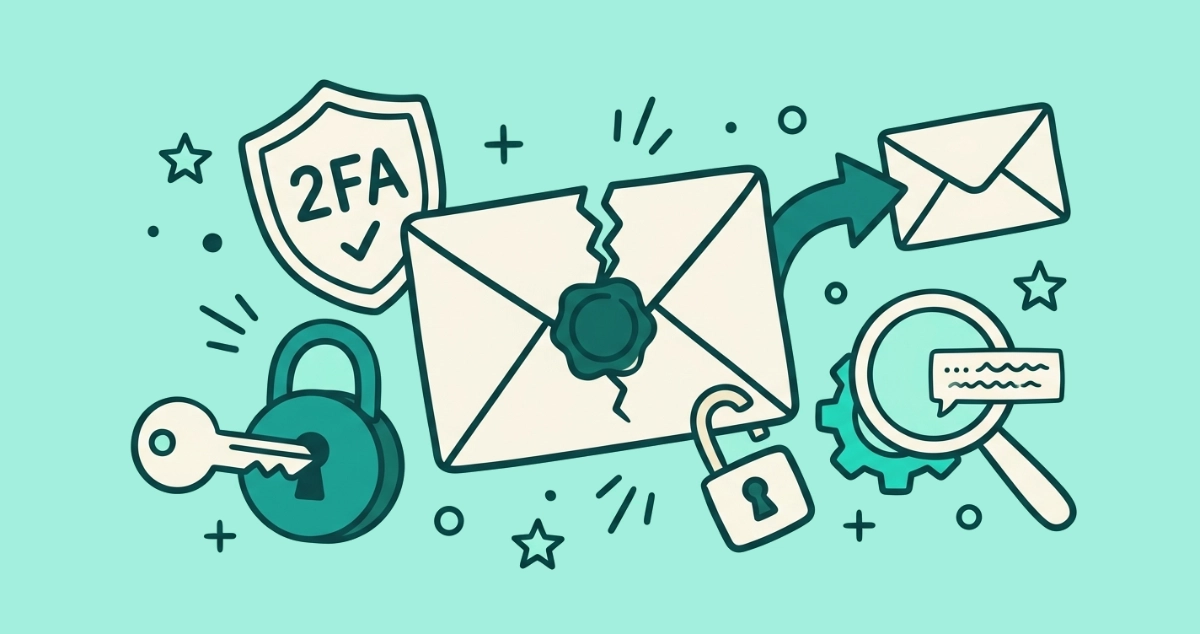
Is your email account hacked? Signs and what to do
The warning signs your email is compromised, from sent mail you never wrote to hidden forwarding rules, plus the recovery steps to take in order.
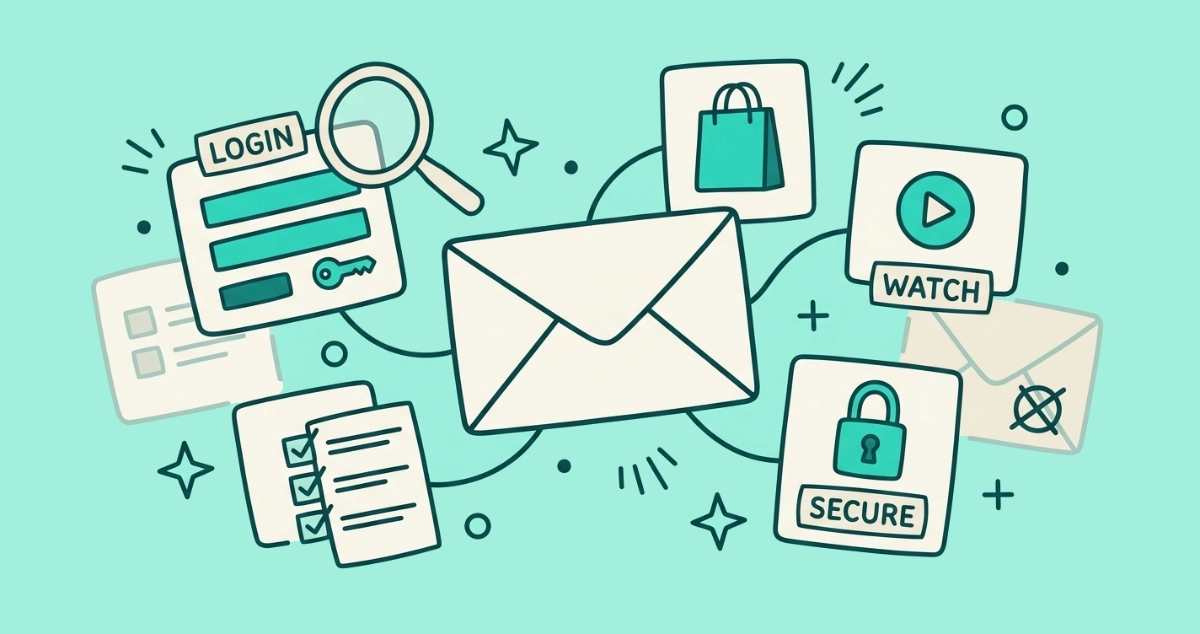
How to find every account linked to your email address
No single button lists every account tied to your email. Four practical methods to reconstruct the full list, then close the ones you never use.
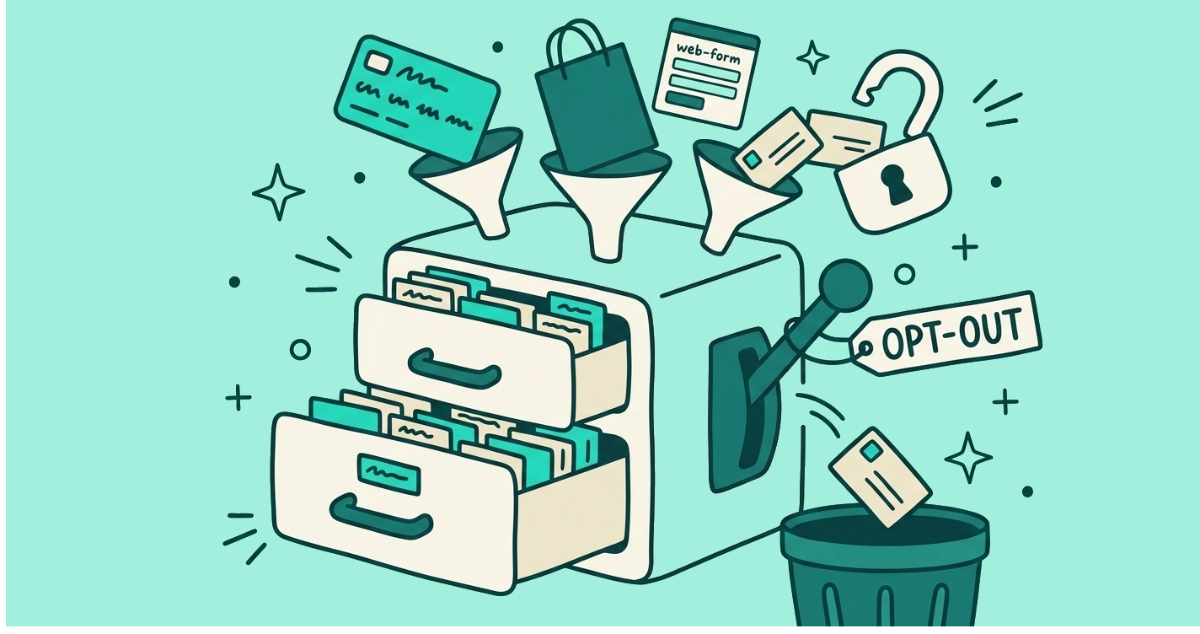
How data brokers get your email (and how to opt out)
Data brokers rarely get your email from public records. They collect it from signups, loyalty cards, and list sales, then merge it into a profile they sell.
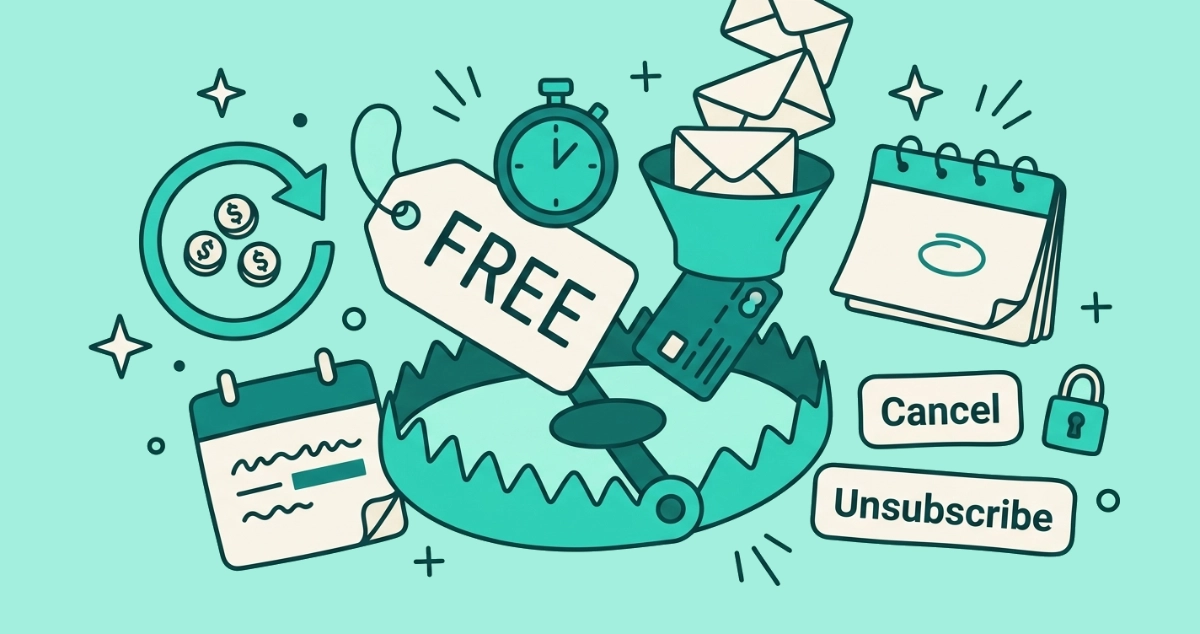
Free-trial subscription traps: how the email funnel charges you
A free trial becomes a recurring charge when the cancel path is buried. Here is how the email funnel springs the trap, and how to cancel and stop the mail.
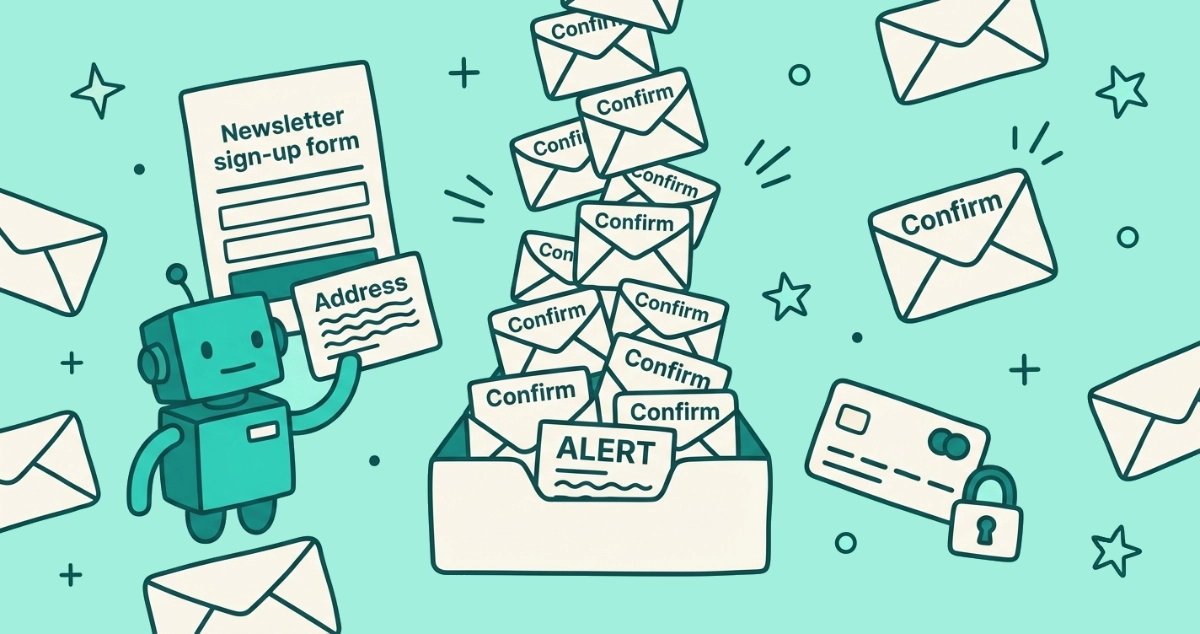
Email bombing: why you're suddenly getting hundreds of signup emails
A sudden flood of newsletter confirmations is often an email bomb: an attacker signing your address up to hundreds of lists to bury a fraud alert.
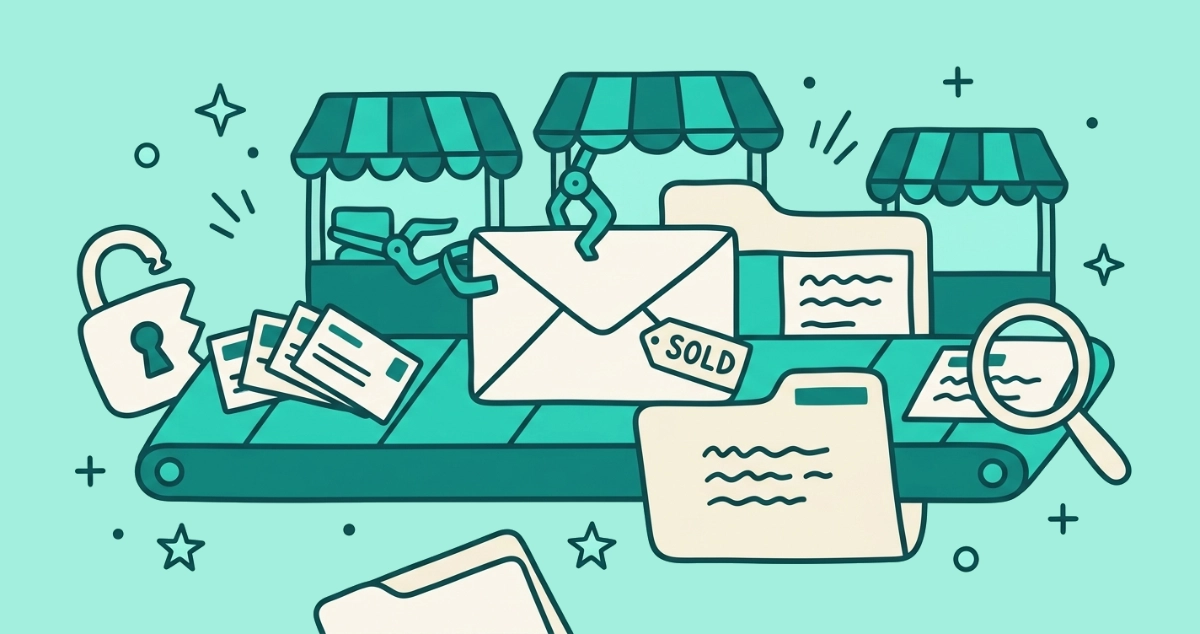
Where your email address goes after a data breach
A leaked email address gets bought many times over, by breach resellers, data brokers, list sellers, and spammers. Here's the journey, and how to check yours.
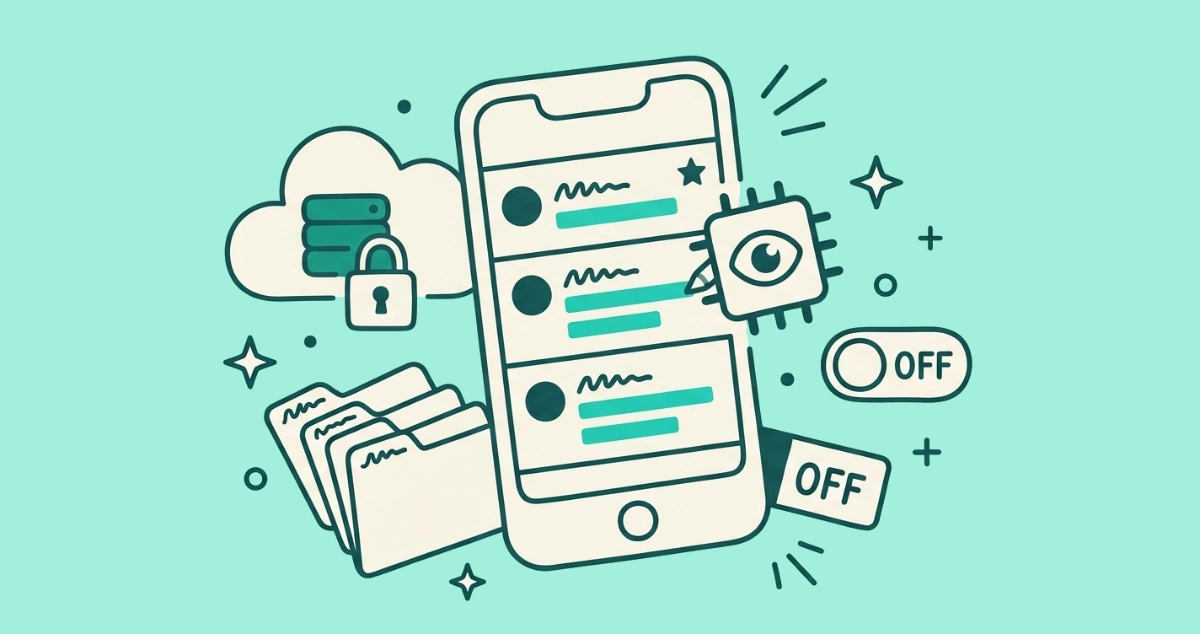
Apple Intelligence and your email: summaries, Priority, and on-device privacy
Apple Intelligence adds Priority messages, inbox summaries, and on-device processing to Apple Mail. Here is what each does, and how to switch it off.
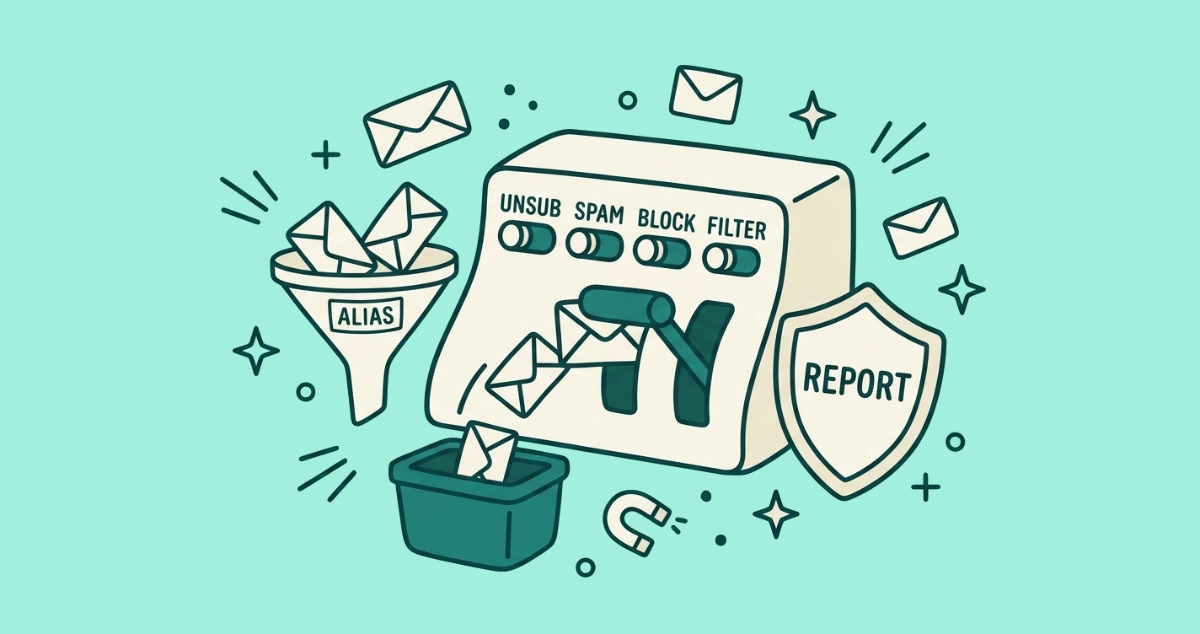
How to stop spam emails on Gmail and Outlook
Every way to cut spam in Gmail and Outlook: unsubscribe, mark as spam, block, filter, mask your address, and report. Match each tool to the right sender.
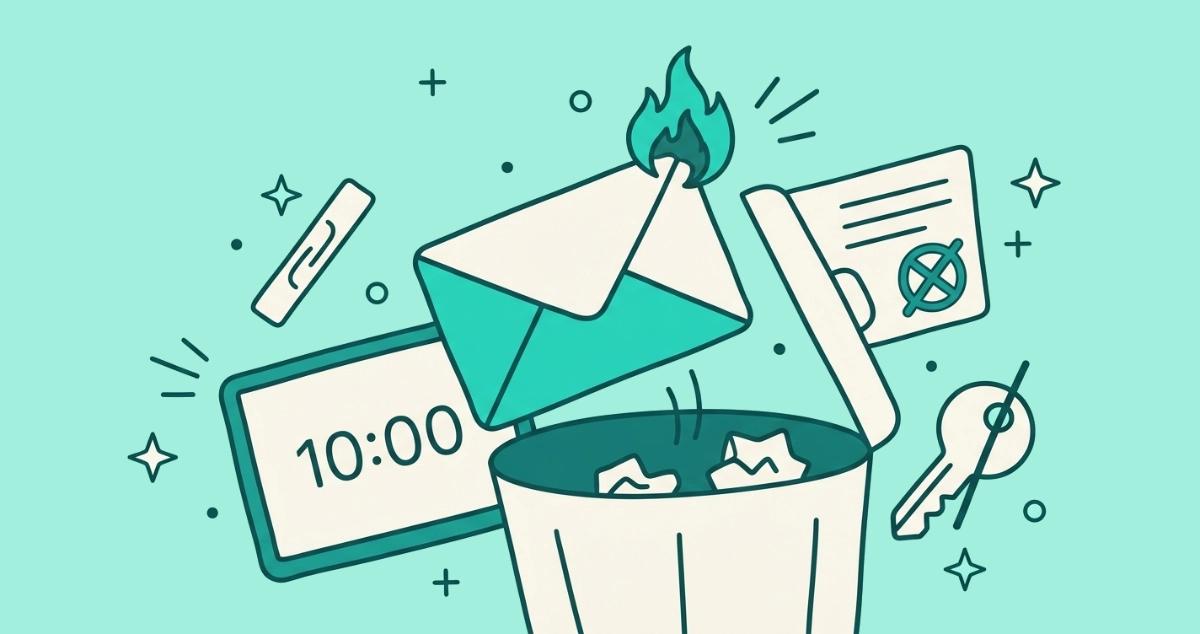
Burner email addresses: when a throwaway inbox makes sense
A burner email is a throwaway address you use once and abandon. When a disposable inbox actually helps, the tools that make one, and where it breaks.
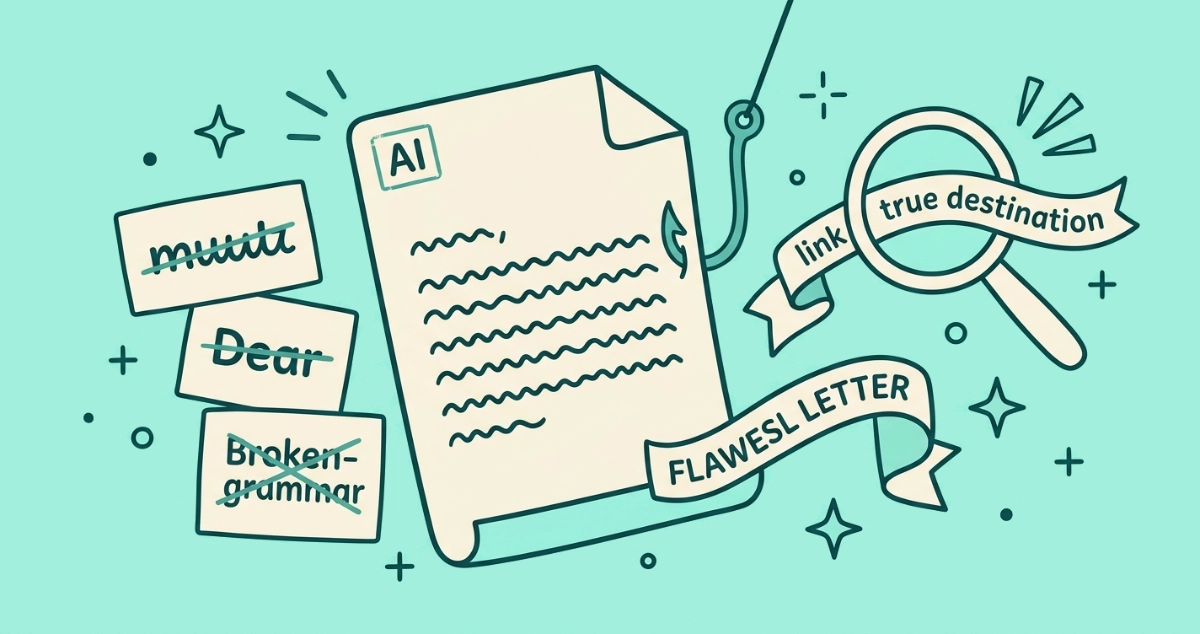
How to spot AI phishing emails in 2026
AI-written phishing erased the old giveaways: typos, clumsy grammar, generic greetings. Here is the 2026 playbook for spotting emails that now read clean.
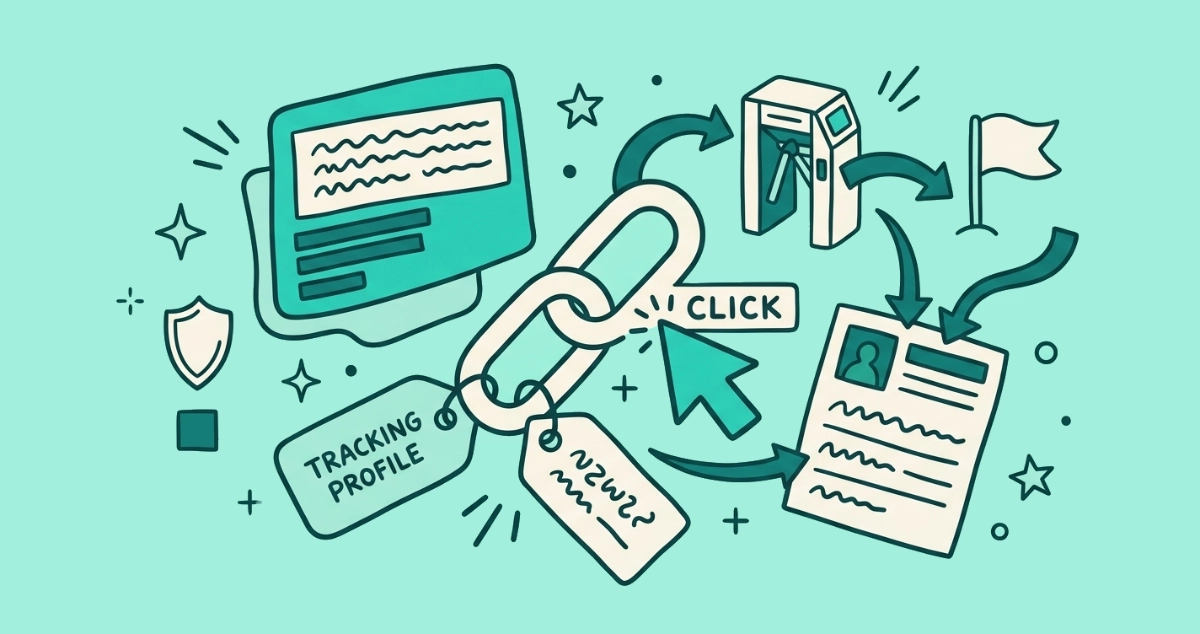
Email tracking in 2026: how marketers follow you beyond the pixel
Apple broke the open pixel, so marketers moved to click tracking and identity graphs. Here's what still tracks you in email in 2026, and how to reduce it.
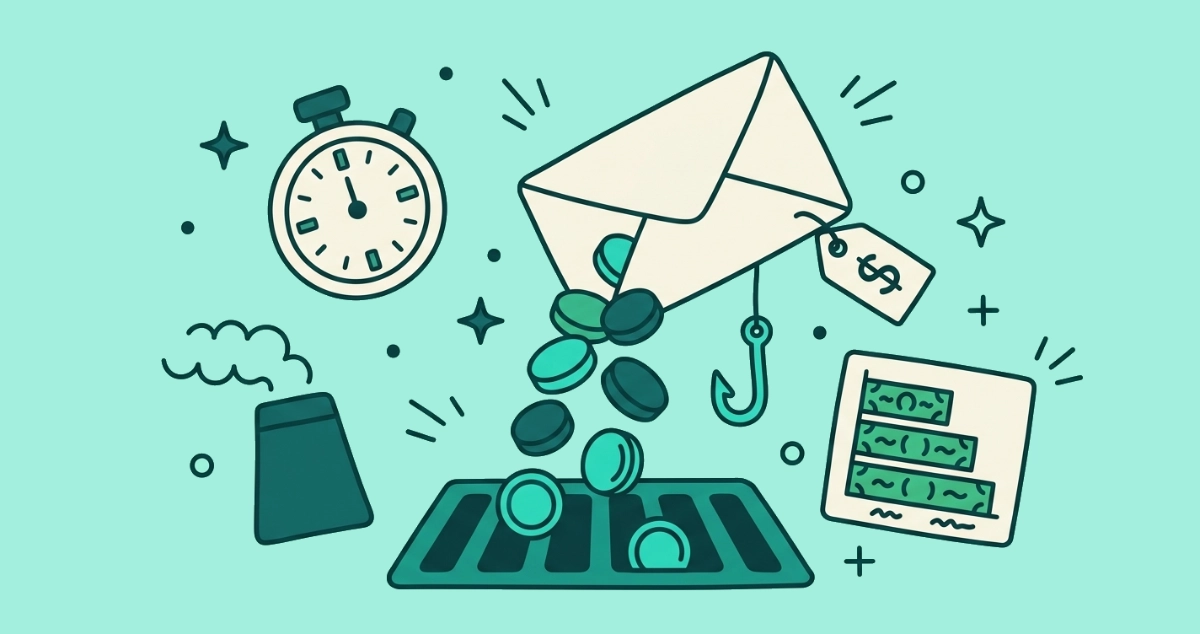
The real cost of spam and phishing in 2026
A sourced roundup of what spam and phishing actually cost: $16.6B in 2024 FBI losses, $2.77B in business email compromise, and the time and energy the rest of us pay.
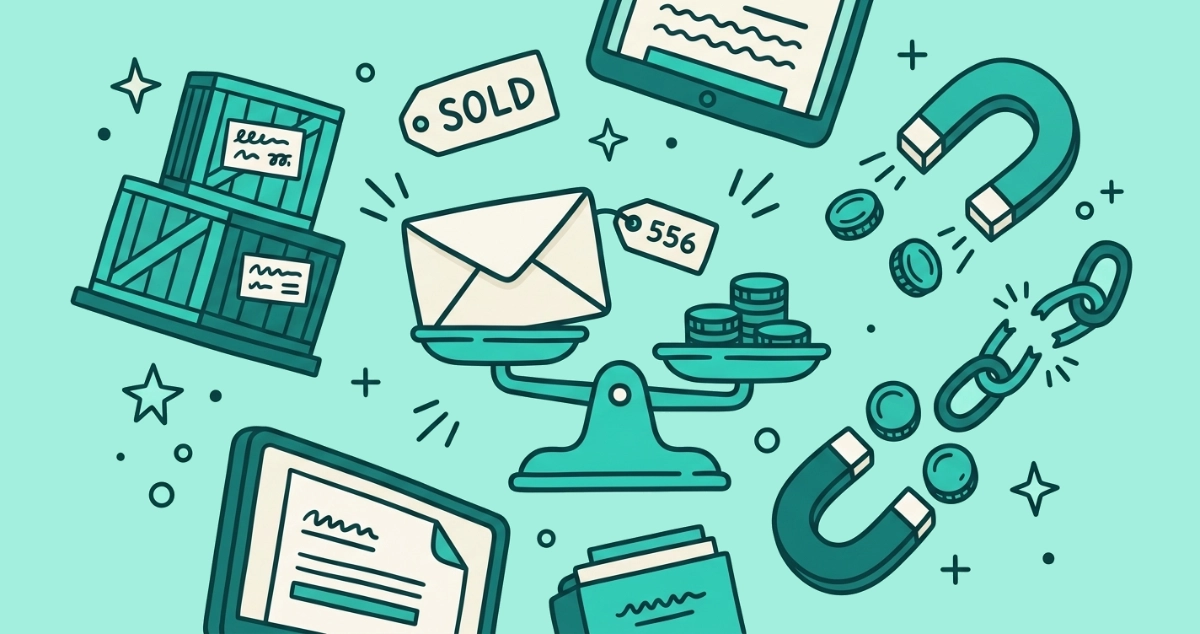
What is your email address actually worth?
Your email address sells for a fraction of a cent in bulk yet earns marketers $36+ per dollar. What a subscriber is really worth, and how to lower yours.
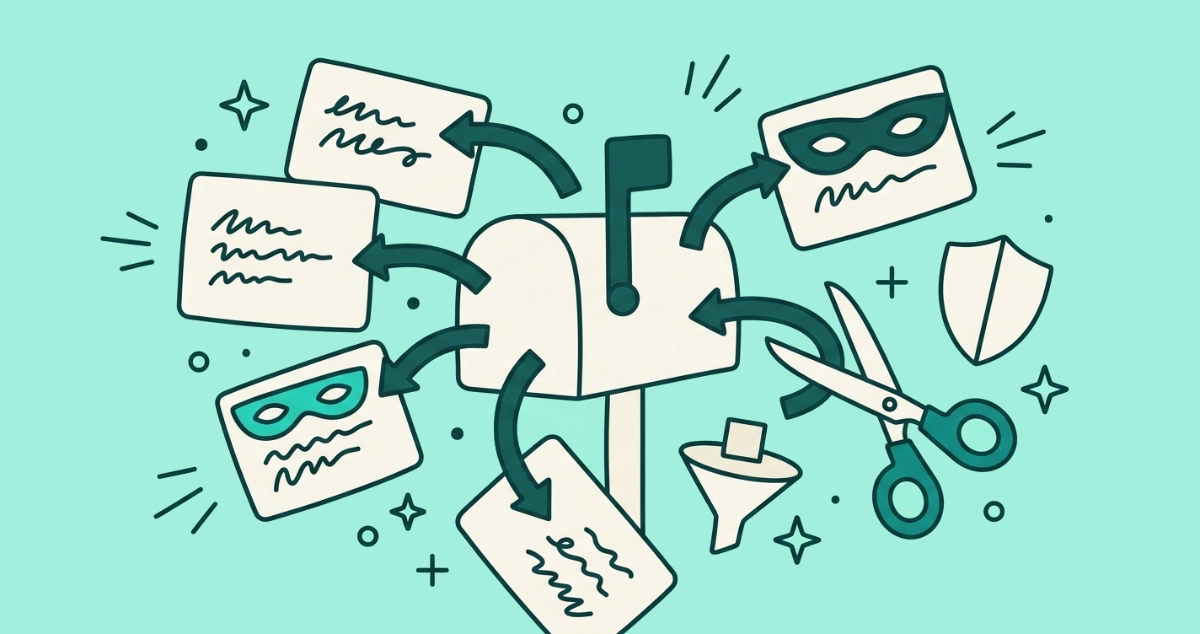
Masked email aliases explained (and where unsubscribing still matters)
A masked email alias hides your real address behind a forwarding one. Here's how the major services work, what they protect, and what they can't.
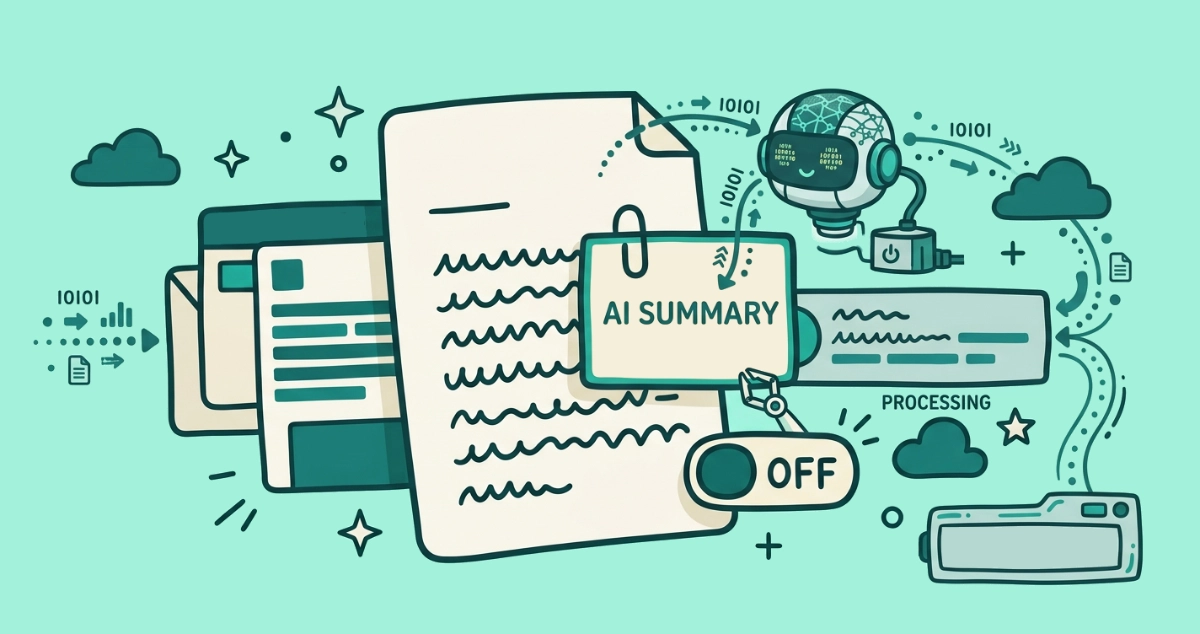
AI email summaries in Gmail and Apple Mail: what they do to your inbox
Gmail and Apple Mail now summarize your email with AI. Here's who processes it, where it can go wrong, and how to turn the summaries off.
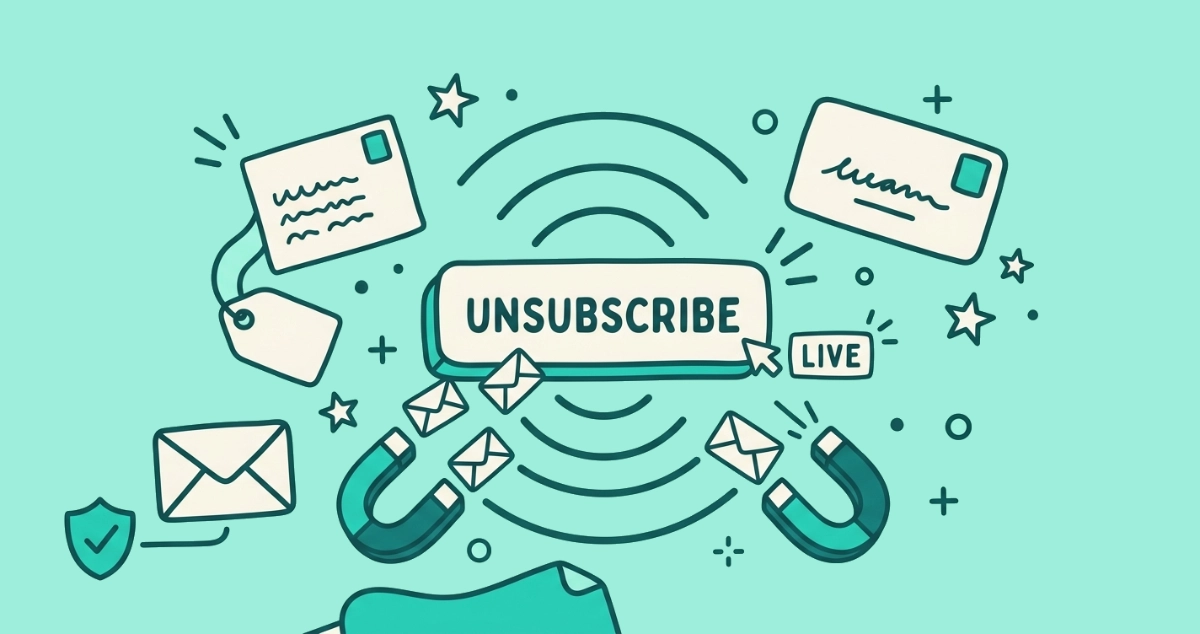
Why unsubscribing can get you more spam (and when it won't)
Unsubscribing from junk can confirm your address is live and bring more spam. Here's when it backfires, when it's safe, and how to tell before you click.
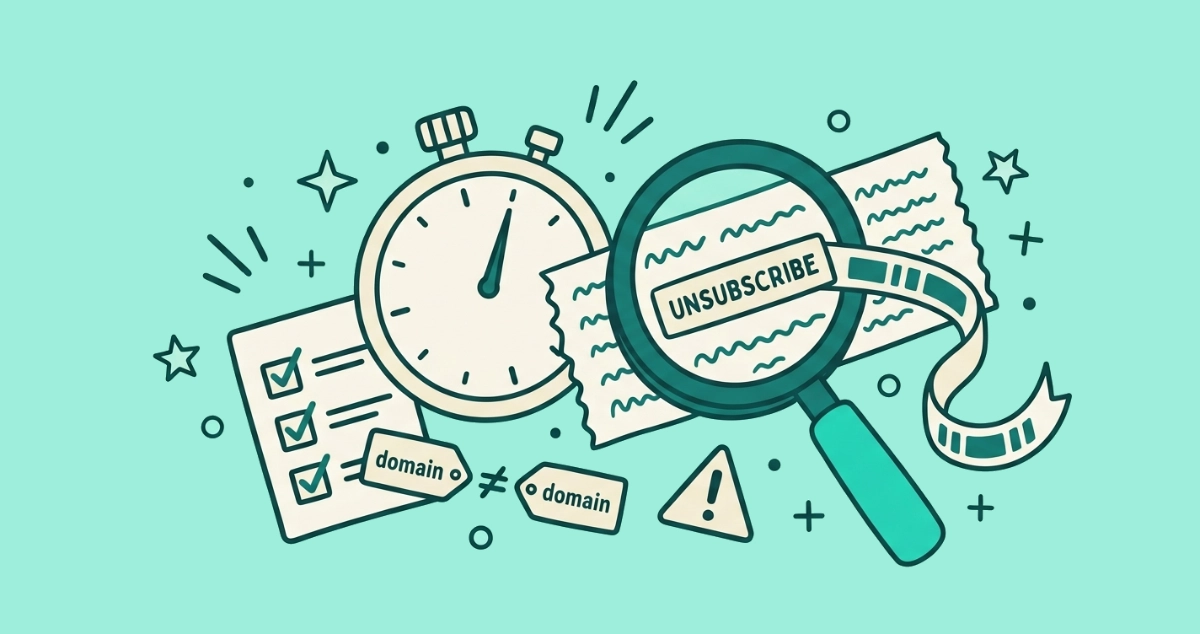
Is this unsubscribe link safe? A 60-second checklist
You have one unsubscribe link in front of you and 60 seconds to decide. Three checks tell you whether to click it or mark the email as spam instead.
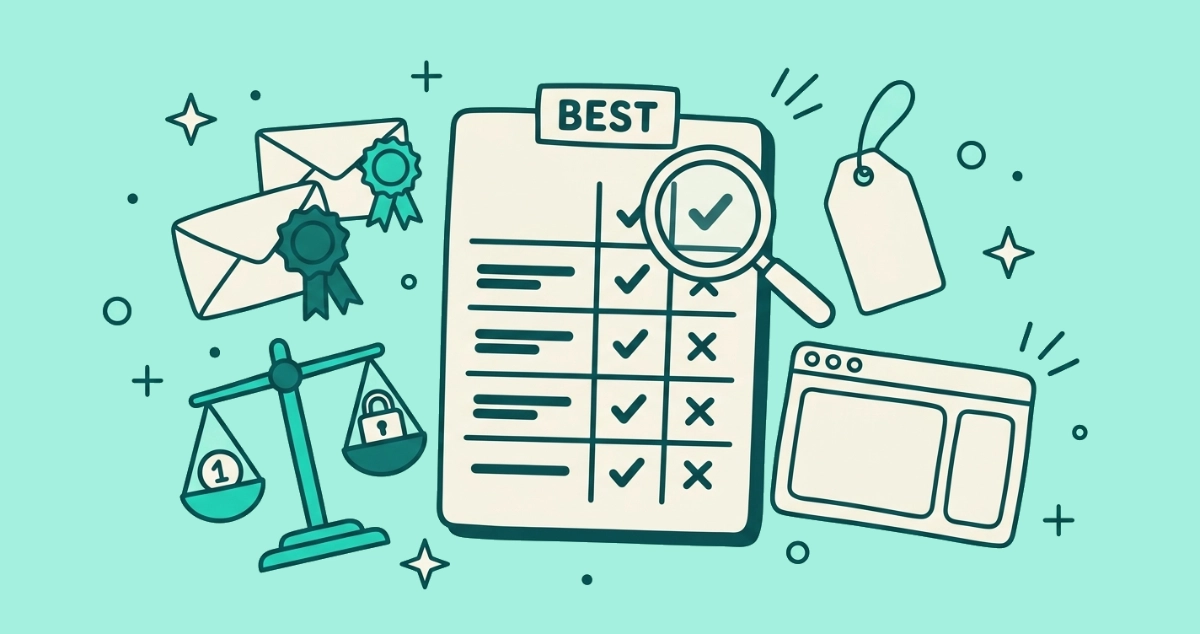
Best email unsubscribe apps in 2026: which is good for what
There is no single best unsubscribe app. Here's a fair comparison of Clean Email, Leave Me Alone, Unroll.me, Cleanfox, Gmail's built-in tool, and us on price, data, access, and platforms.
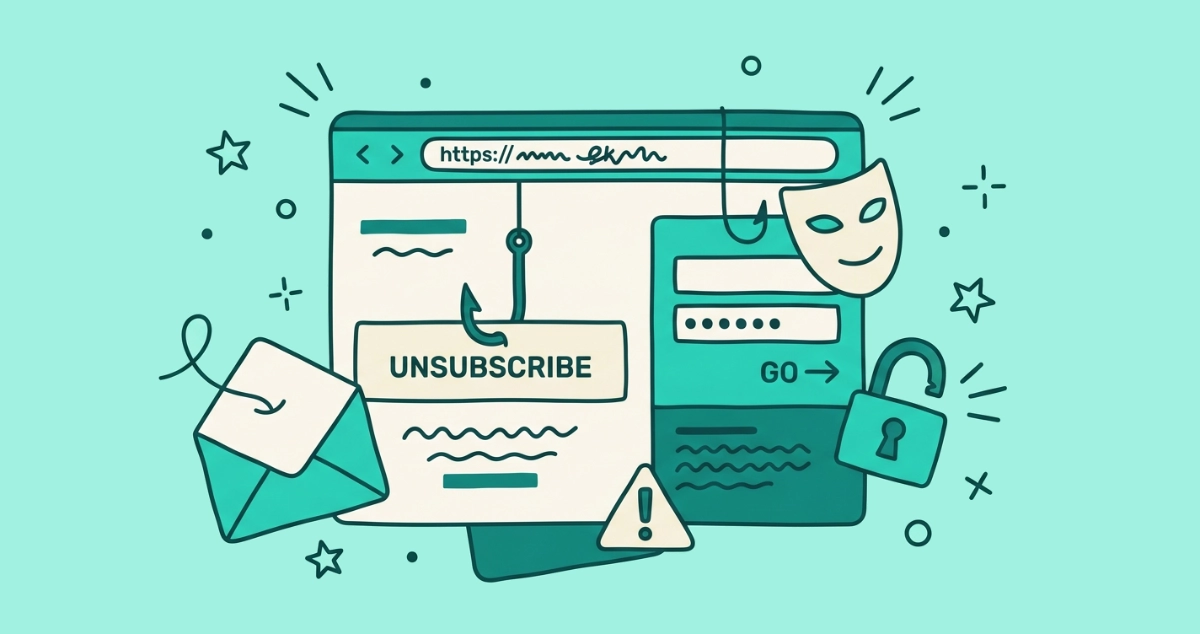
Fake unsubscribe links: how phishing hides behind opt-out pages
A fake unsubscribe page mimics a sender's opt-out to steal your password. Here's how the scam is built, how to spot the page, and what to do if you clicked.
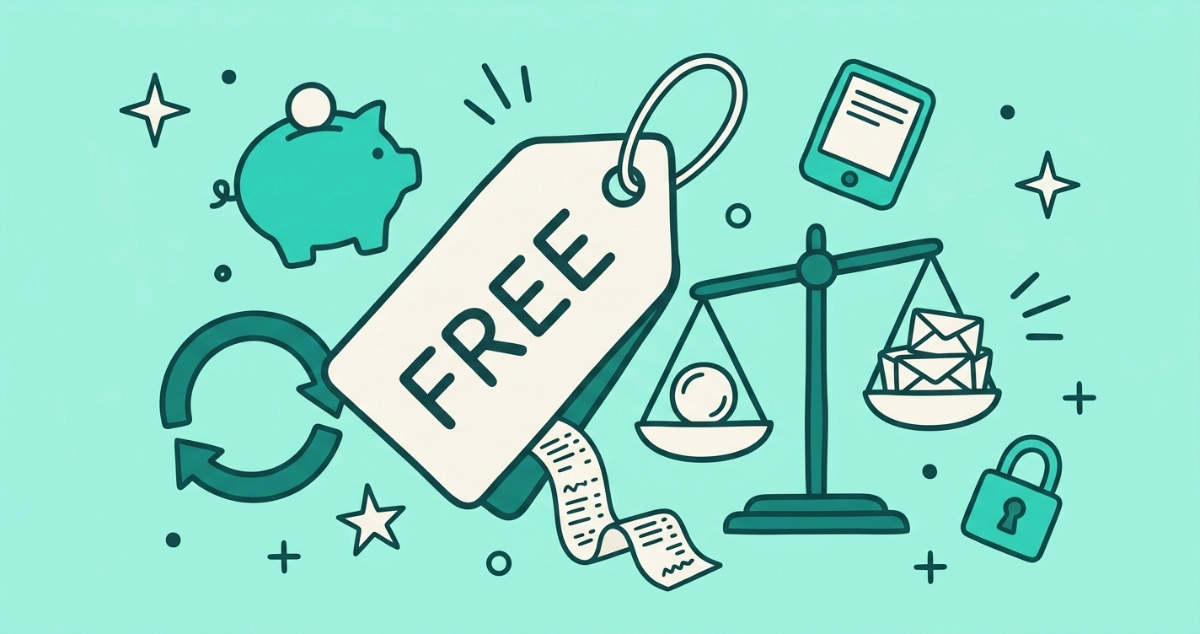
Free vs paid unsubscribe tools: what 'free' costs you
A free unsubscribe tool still has to make money somewhere. Here's how the free, freemium, subscription, and one-off models each treat your inbox.
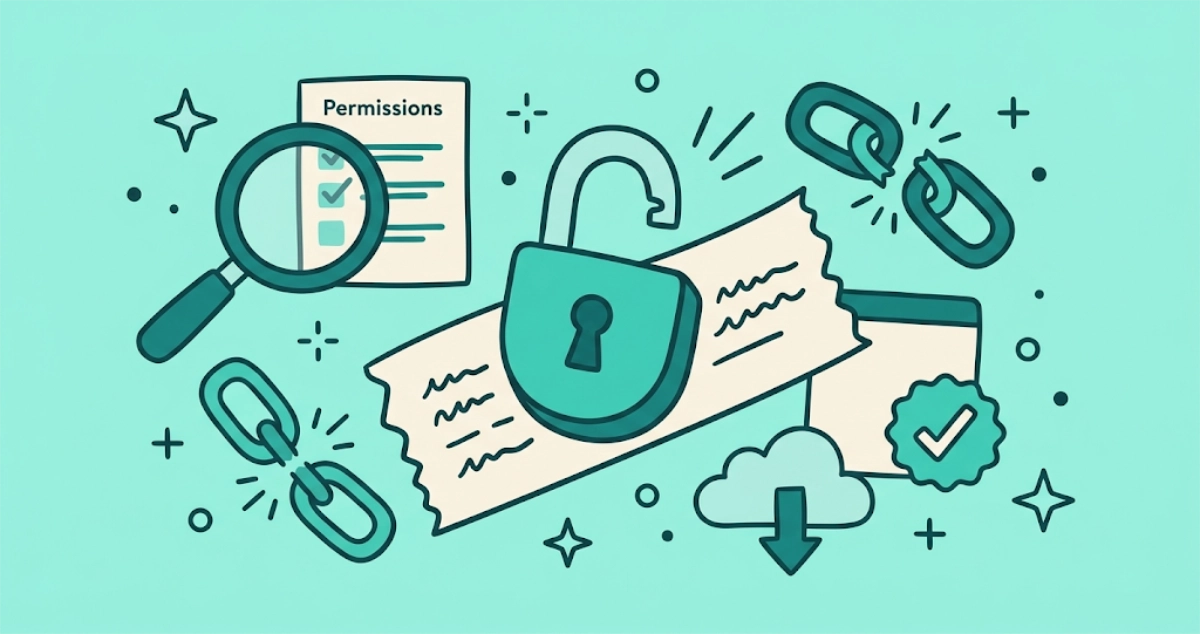
Are email unsubscribe apps safe? What inbox access really means
Some unsubscribe apps are safe, some sell your data. Learn what OAuth scopes, refresh tokens, and cloud processing mean so you can vet any app before you connect it.
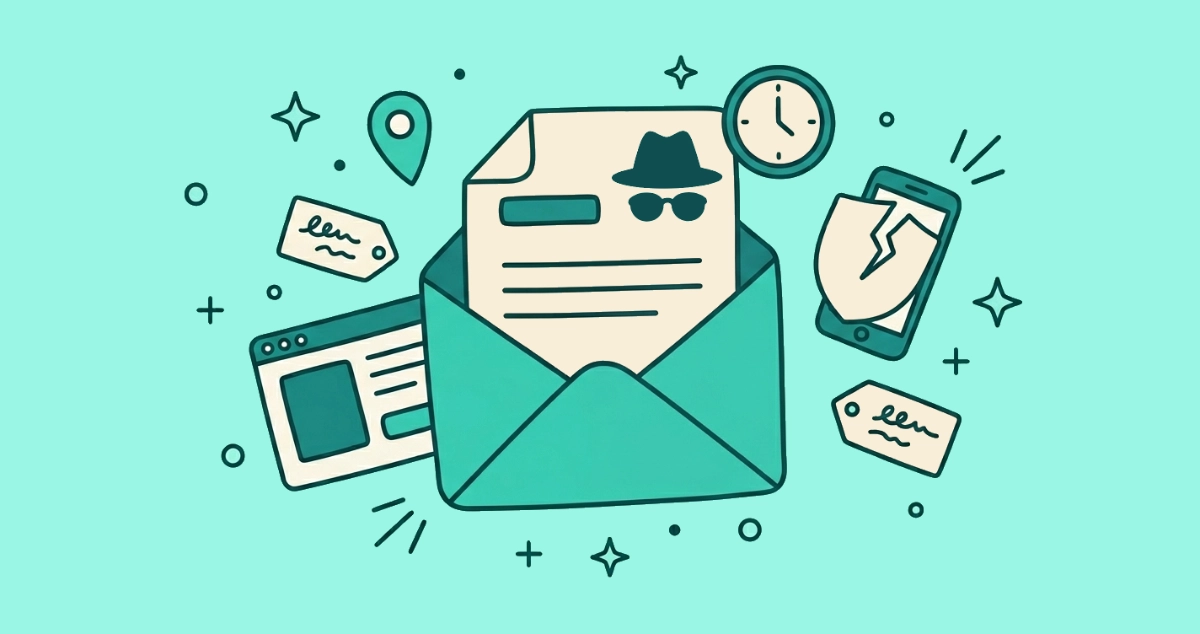
Spy pixels: the invisible trackers in more than half of your emails
Open a marketing email and a hidden 1×1 pixel often reports your open time, location, and device back to the sender. Here's how to block it.
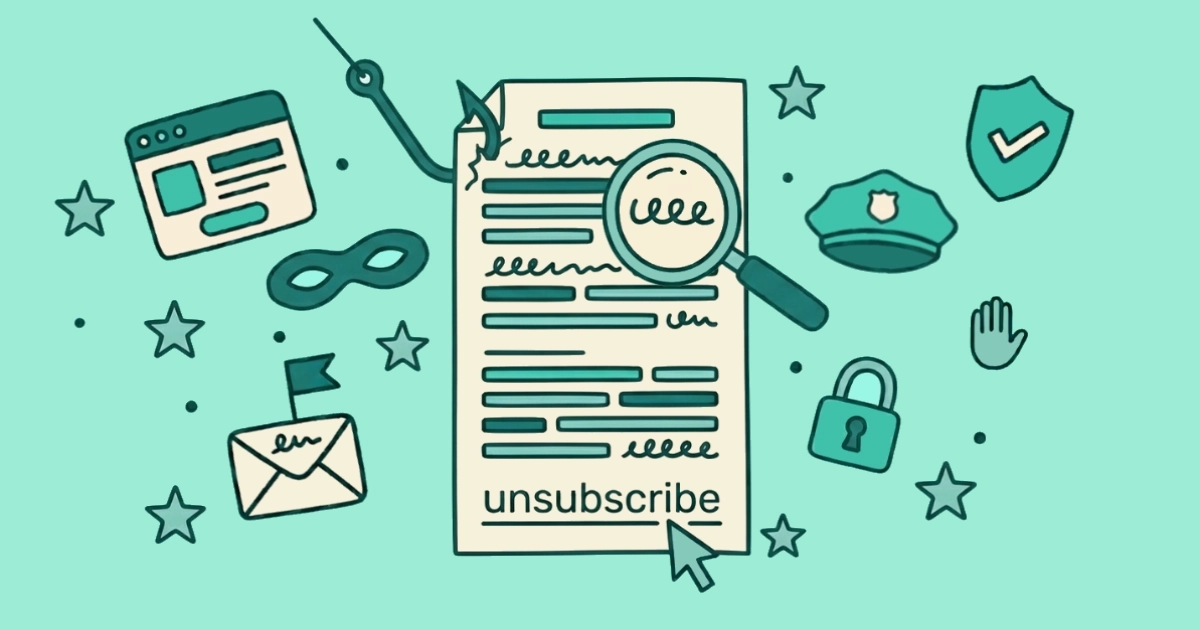
Is it safe to click unsubscribe?
Roughly 1 in 644 unsubscribe links leads to a malicious site. Here's how to tell the safe ones from the traps in under 30 seconds.